martes, 27 de enero de 2015

27 de Enero de 2015. Tours, prefectura del Departamento de Indre y Loira, Región Centro, Francia. Posteando un viaje anterior.

Tours es la capital (prefectura) del Departamento francés de Indre y Loira en la Región Centro y está atravesada por el río Loira. Su comarca es la Turena (Touaine) y la zona es llamada a menudo “El Jardín de Francia”. Tours está clasificada como Ciudad de Arte e Historia y es Patrimonio de la Humanidad según la UNESCO. La región es conocida por sus vinos y por la perfección del francés hablado.


Tours is the capital (prefecture) of the French department of Indre-et-Loire in the Central Region and it is bisected by the River Loire. Its region is the Touraine (Touaine) and the area is often called "The Garden of France". Tours is classified as a City of Art and History and Heritage according to UNESCO. The region is known for its wines and perfection of spoken French.


lunes, 26 de enero de 2015

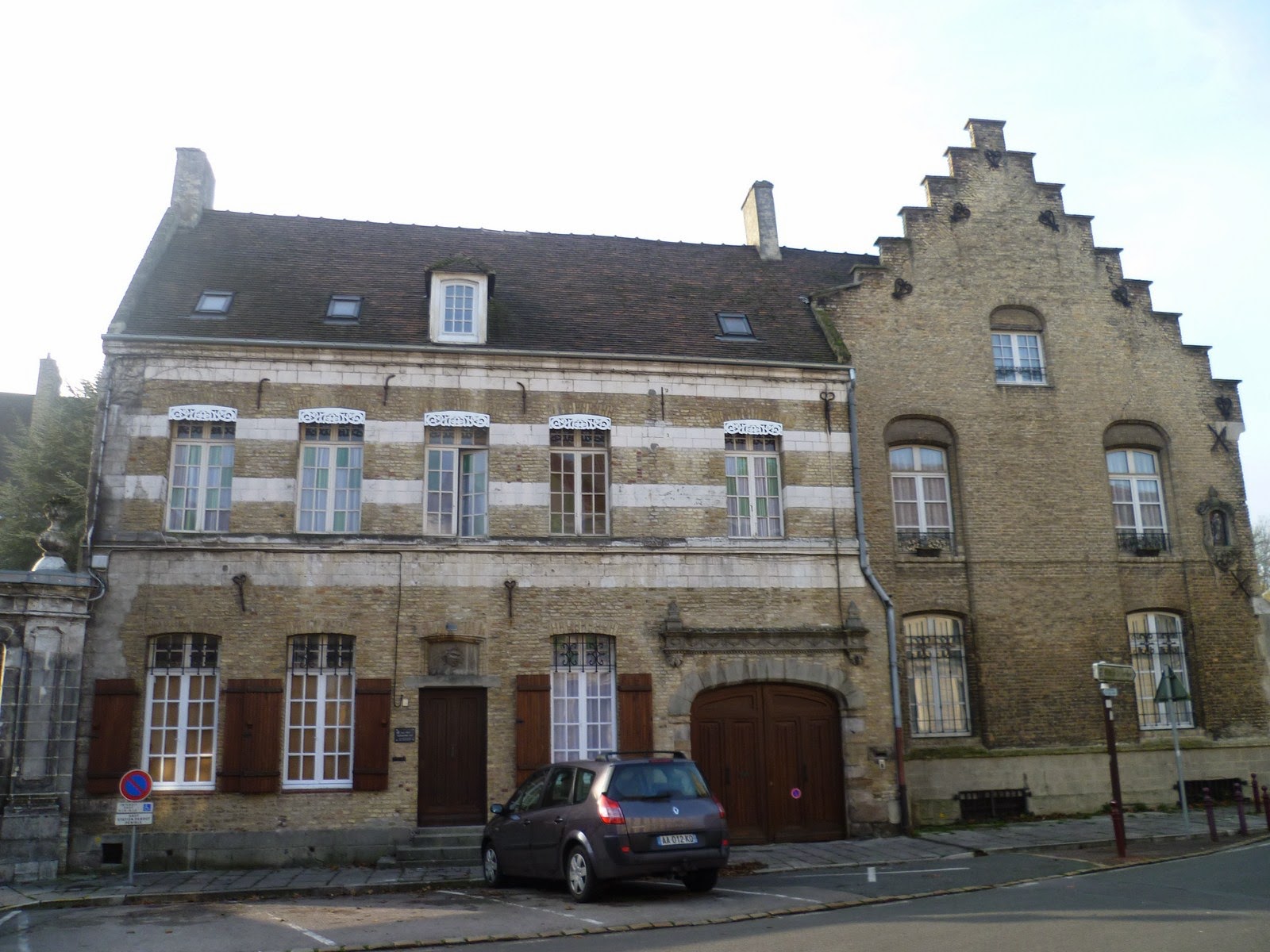
26 de Enero de 2015. Saint-Omer, Departamento Paso de Calais, Región Norte - Paso de Calais, Francia. Posteando un viaje anterior.

Saint-Omer es un municipio francés del departamento Paso de Calais en la Región Norte – Paso de Calais. La ciudad se ubica en una zona pantanosa, atravesada por el río Aa. Saint Omer se vió inmersa en las Guerras de Religión francesas de 1477 a 1677, al ser un baluarte católico. En el siglo XIX llega el ferrocarril. El siglo XX con la llegada del turismo también supone un progreso para la ciudad.

Saint-Omer is a French commune in the Pas de Calais department in the Northern Region - Pas de Calais. The city is located in a marshy area, crossed by the Aa river. Saint Omer found itsel immersed in the French Wars of Religion 1477-1677, being a Catholic stronghold. In the nineteenth century the railroad arrives. The twentieth century with the advent of tourism also represents a progress for the city.


domingo, 25 de enero de 2015

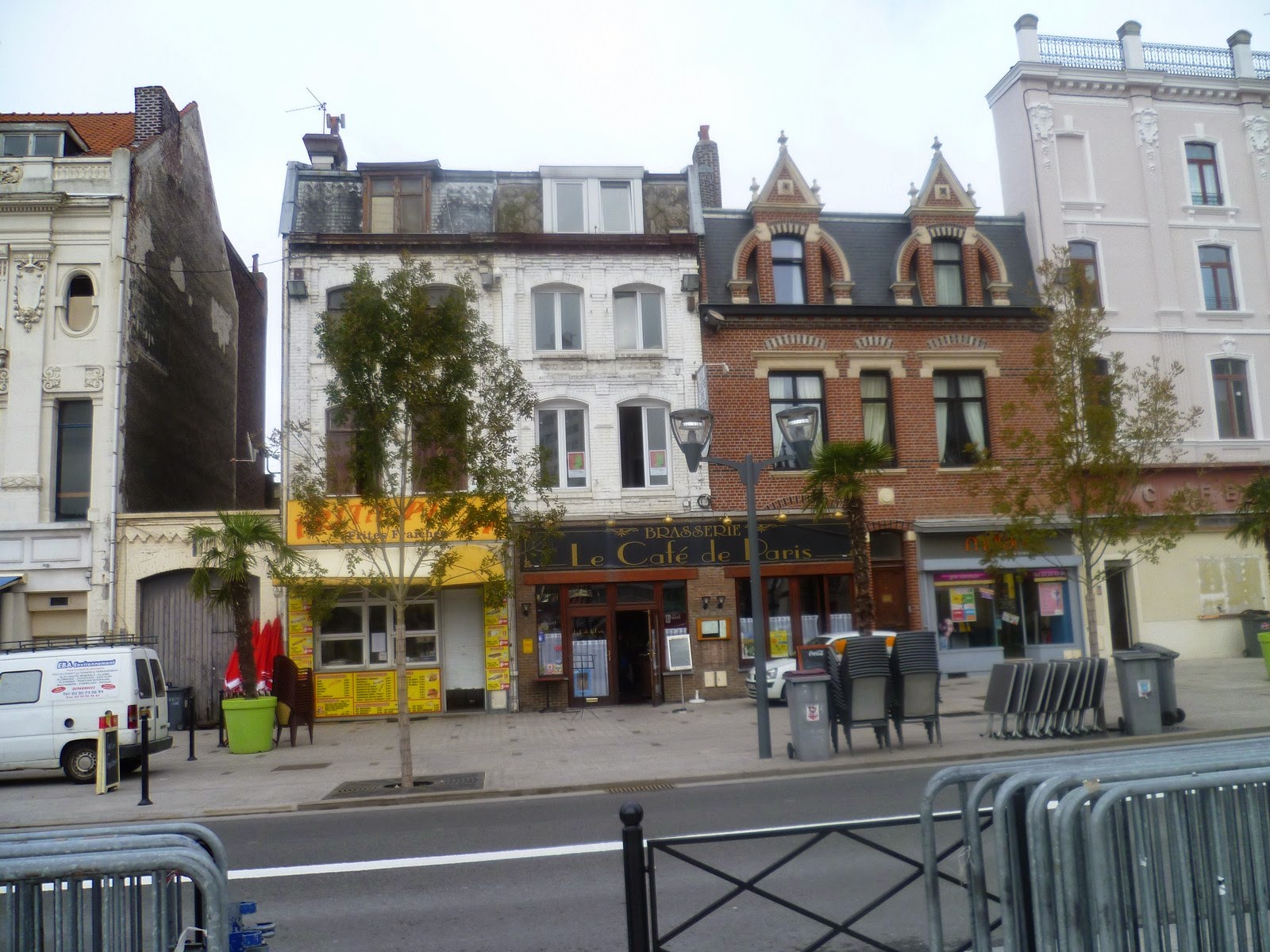
25 de Enero de 2015. Toucoing, Departamento Norte, Región Norte - Paso de Calais, Francia. Posteando un viaje anterior.

Tourcoing aparece en la historia al mismo tiempo que Lille, formando parte de sus dominios, dentro del Condado de Flandes, allá por el siglo XI. En 1304 pasa a ser dominio real. Durante la Guerra de los Cien años, la ciudad sufre el asedio a Tounai, siendo quemada, asaltada y saqueada. A partir de 1346 el señorío de la ciudad se divide en dos, al existir varios candidatos. Al final del siglo siguiente la ciudad pasa a manos del Emperador alemán, y posteriormente a la Corona española. En 1668 pasa definitivamente a la Corona francesa. En 1790 el Flandes francés pasa a ser el Departamento del Norte. Tourcoing ve la primera victoria de las armas de la Convención en 1794, expulsando a los invasores. En 1814 – 1815 es invadida por los sajones, que se condujeron de modo irreprochable y se propiciaron matrimonios entre estas tropas y mujeres de la localidad. A partir de 1820 la introducción de la máquina de tejer impulsa el textil en la zona, convirtiendo el Norte en zona industrializada y viendo nacer el comienzo de la clase obrera del siglo XIX.

Tourcoing appears in history while Lille as part of their domains, within the County of Flanders, back in the eleventh century. In 1304 becomes royal domain. During the Hundred Years War, the city suffers the siege of Tounai, being burned, broken into and ransacked. From 1346 the lordship of the city is divided into two, as there were several candidates. At the end of the next century the city passed into the hands of the German Emperor, and later to the Spanish Crown. In 1668 finally passed to the French Crown. In 1790 French Flanders becomes the Northern Department. Tourcoing see the first victory of the Army of the Convention in 1794, expelling the invaders. In 1814 - 1815 it was invaded by the Saxons, who led in irreproachable manners and made marriages between these troops and local women. In 1820 the introduction of the weaving machine drives the textile area, turning north at birth industrialized area and seeing the beginning of the nineteenth century working class.


viernes, 23 de enero de 2015

23 de Enero de 2015. Dunkerque, Departamento Norte, Región Norte - Paso de Calais, Francia, posteando un viaje anterior.

Dunkerque se encuentra en la costa francesa a 10 km de la frontera con Bélgica, y es una de las ciudades principales del Flandes francés. Por su pertenencia al Ducado de Borgoña pasó a ser propiedad del Sacro Imperio y posteriormente de los Habsburgos españoles, hasta que en 1662 pasa definitivamente a formar parte de Francia. En la Segunda Guerra Mundial fue el punto de reembarque de la tropa expedicionaria británica, que consiguió salvar a 330.000 hombres del empuje de los alemanes. Es el tercer puerto comercial más importante de Francia tras Marsella y Le Havre.


Dunkerque is located on the French coast 10 km from the border with Belgium and it is one of the main cities of French Flanders. For belonging to the Duchy of Burgundy became the property of the Holy Empire and later of the Spanish Habsburgs, until finally in 1662 became part of France. In the Second World War was the transshipment point of the British expeditionary force, which managed to save 330,000 men. It is the third largest commercial port in France after Marseille and Le Havre.