sábado, 17 de enero de 2015

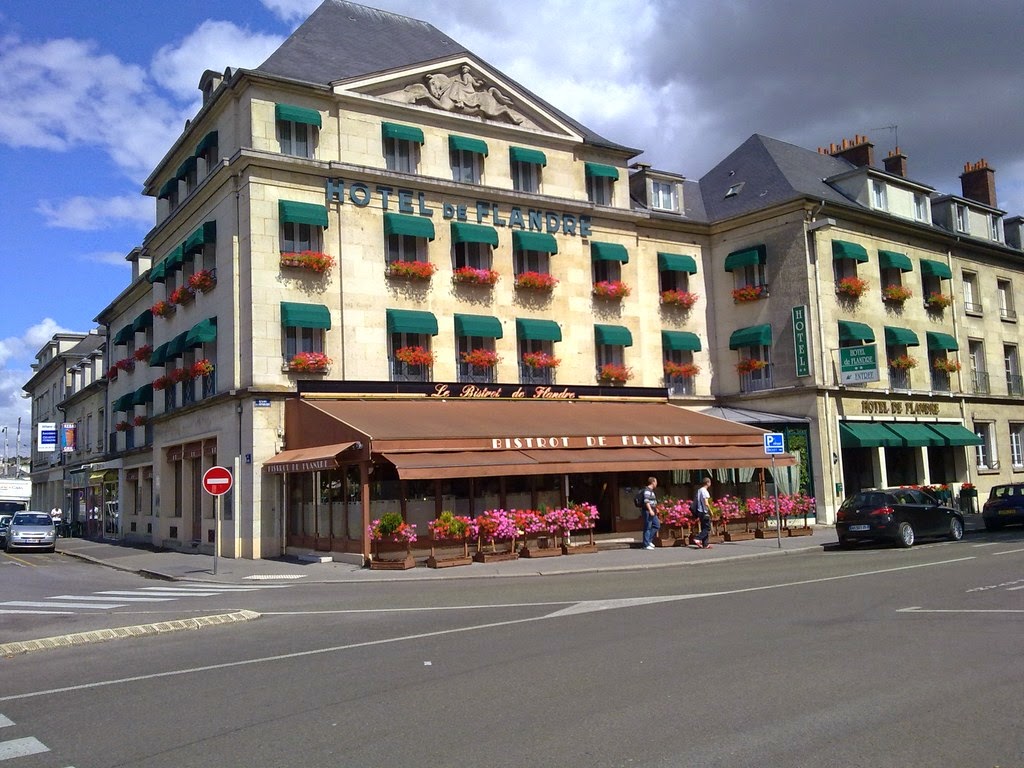
17 de Enero de 2015 desde Auxerre, Departamento de Yonne, Borgoña, Francia, posteando material de un viaje anterior.

Auxerre es la sede de la prefectura del Departamento de Yonne en la región vinícola de Borgoña. Aparece en tiempos romanos y se consolidad en el siglo V como centro religioso gracias a su obispo Germano. Auxerre está en una región productora de vino, aunque su más importante actividad radica en el sector terciario. Auxerre es una de las ciudades más prósperas de Francia. Auxerre tiene incluso un equipo de fútbol en primera división, que ha ganado la Liga Francesa en 1996. Auxerre es una de las ciudades más bonitas de Francia, pues conserva buena parte de su centro urbano medieval y de los siglos XV y XVI.

Auxerre is the seat of the prefecture of Yonne department in Burgundy wine region. Auxerre appears in Roman times and consolidates during the V century as a religious center,thanks to Germano, its bishop. Auxerre is in a wine producing region, although its most important activity lies in the tertiary sector. Auxerre is one of the most prosperous cities in France. Auxerre has even a football team in the first division, which has won the French League in 1996. Auxerre is one of the most beautiful cities in France, it preserves much of its medieval city center and from the fifteenth and sixteenth centuries.


viernes, 16 de enero de 2015

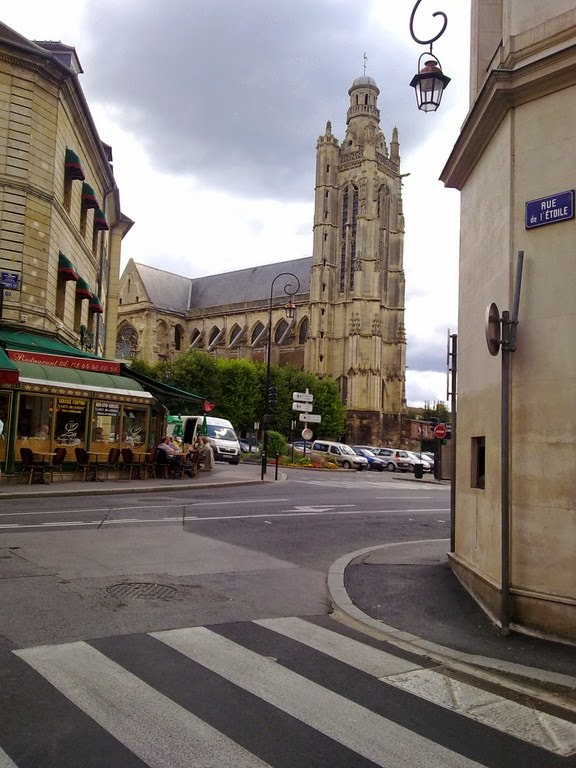
16 de Enero de 2015 desde Senlis, Departamento de Oise, Región de Picardía, Francia.

Senlis ya aparece en tiempos romanos y quedan restos de su muralla de 7 metros de alta y un anfiteatro para 10.000 personas. Fue lugar de residencia de los primeros reyes de Francia, debido a su proximidad a los bosques de Chantilly, que también proporcionaba excelente carne de venado. El bosque de Chantilly está en el Parque Natural Regional Oise-Pays de France y es una masa forestal de singular belleza. Senlis está a medio camino del viaje Paris-Compiègne, por lo que es recomendable pasar por la ciudad en este itinerario.

Senlis longer appears in Roman times and there are remains of its walls seven meters high and an amphitheater for 10,000 people. It was the residence of the first kings of France, due to its proximity to the forests of Chantilly, which also provided excellent venison. The forest of Chantilly is in the Regional Oise-Pays de France Natural Park and is a forest of singular beauty. Senlis is halfway Travel Paris-Compiègne, so it is advisable to go through the city in this itinerary.


jueves, 15 de enero de 2015

15 de Enero de 2015 desde Compiègne, Departamento de Oise, Región de Picardía, Francia, reportaje de un viaje anterior.

Compiégne se encuentra cerca de Beauvais, y era un paso, "compendium" o atajo (de ahí el nombre) sobre el río Oise. En tiempos modernos era una de las residencias reales de los reyes de Francia, utilizada por Luis XV y el Delfín para recibir a María Antonieta cuando llegó de Austria. Napoléon III también hizo transformaciones para acondicionar el palacio. Compiègne se encuentra a 82 km al noreste de París y los bosques y parajes que atraviesa la carretera para llegar allí son extraordinarios. El bosque de Compiégne fue el lugar de la firma del armisticio del 11 de Noviembre de 1918 a las 5 de la mañana, que entraba en vigor a las 11.

Compiegne is located near Beauvais, and was a step, "compendium" or shortcut (hence the name) on the Oise River. In modern times it was one of the royal residences of the kings of France, used by Louis XV and the Dauphin to receive Marie Antoinette when she arrived from Austria. Napoléon III also made changes to condition the palace. Compiègne is 82 km northeast of Paris and forests and landscapes crossing the road to get there are extraordinary. The Forest of Compiegne was the site of the signing of the Armistice of November 11, 1918 at 5 in the morning, which took effect at 11.


miércoles, 14 de enero de 2015

14 de Enero de 2015 desde Sens, Departamento de Yonne, región de Borgoña, Francia, posteando un viaje anterior.

Sens ya aparece en los Comentarios a las Guerras de las Galias de César como Agedincum, y era el territorio y capital de los senones, tribu celta de la época. La población conserva el esqueleto del plan urbanístico romano original. Actualmente es cabecera de tres cantones, y es subprefectura de su departamento, pues la prefectura está situada en la ciudad de Auxerre. En la actualidad tiene unos 25.000 habitantes, y sus edificios emblemáticos son la catedral, el ayuntamiento y el mercado cubierto en la plaza de la ciudad. 

Sens longer appears in the Commentaries on the Caesar Gallic Wars as Agedincum, and it was the capital of the territory of senons, Celtic tribe of the time. The population retains the skeleton of the original Roman town plan. Currently it is head of three cantons, and it is sub-prefecture of the department, as the prefecture is located in the city of Auxerre. It currently has about 25,000 inhabitants, and its emblematic buildings are the cathedral, city hall and the covered market in the town square.


martes, 13 de enero de 2015

13 de Enero de 2015 desde Chartres en Eure-et-Loir, región Centro, Francia, posteando un viaje anterior.

Chartres es famosa mundialmente por su catedral, que según muchos es la más bella de Francia y de todas las de estilo gótico del mundo. Chartres fue la tierra de los carnutes, tribu celta que habitaba la zona. A partir del incendio de la iglesia románica a finales del siglo XII, se comenzó la construcción de la catedral actual, que para 1220 ya tenía construido su cuerpo central. Su cristalera del siglo XIII ha permanecido casi intacta a lo largo de la historia, y al parecer produce una luz especial en el interior que confiera carácter especial a esta construcción. En su interior se venera a Nuestra Señora de Chartes, que da nombre a la catedral.

Chartres is world famous for its cathedral, which according to many is the most beautiful in France and all Gothic world. Chartres was the land of the Carnutes, Celtic tribe that inhabited the area. From the fire of the Romanesque church in the late twelfth century, the construction of the present cathedral was begun, which for 1220 had already built its central body. Its glass of XIII century has remained almost intact throughout history, and apparently it produces a special light inside conferring special character to this construction. Inside is venerated Our Lady of Chartes, which gives its name to the cathedral.


lunes, 12 de enero de 2015

12 de Enero de 2015 desde Dreux, Eure-et-Loir, región Centro, Francia, posteando fotografías de un viaje anterior.

Dreux era el territorio de los Durocasses y acabó siendo campamento militar romano por su posición en alto, en el camino de Lutecia (París). Este campamento permanente fue conocido como Castrum Drocas. Dreux aparece en la Edad Media como ciudad fronteriza entre el dominio real y el Ducado de Normandía. En la Edad Moderna, durante las guerras de religión francesas tuvo un papel preponderante y en sus cercanías tuvo lugar una dura batalla entre católicos de María de Médici, condesa de Dreux y Luis I de Borbón-Condé, líder de las tropas protestantes. En la edad contemporánea Dreux se benefició de los Gloriosos Treinta o Edad de Oro del Capitalismo, época que va de 1945 a 1975. En la actualidad se han construido recientemente 3 mezquitas, debido al fenómeno de la inmigración. 

Dreux was the territory of the Durocasses and eventually became Roman military camp by its position high in the way of Lutetia (Paris). This permanent camp was known as Castrum Drocas. Dreux appears in the Middle Ages as a border town between the real domain and the Duchy of Normandy. In the modern age, during the French wars of religion played a leading role and its surroundings a tough battle between Catholics of Marie de Medici, Countess of Dreux and Louis, Prince of Condé, leader of the Protestant troops took place. In the contemporary age Dreux benefited from the boom or Golden Age of Capitalism, period from 1945 to 1975. Currently recently built 3 mosques, due to the phenomenon of immigration.