viernes, 24 de abril de 2015

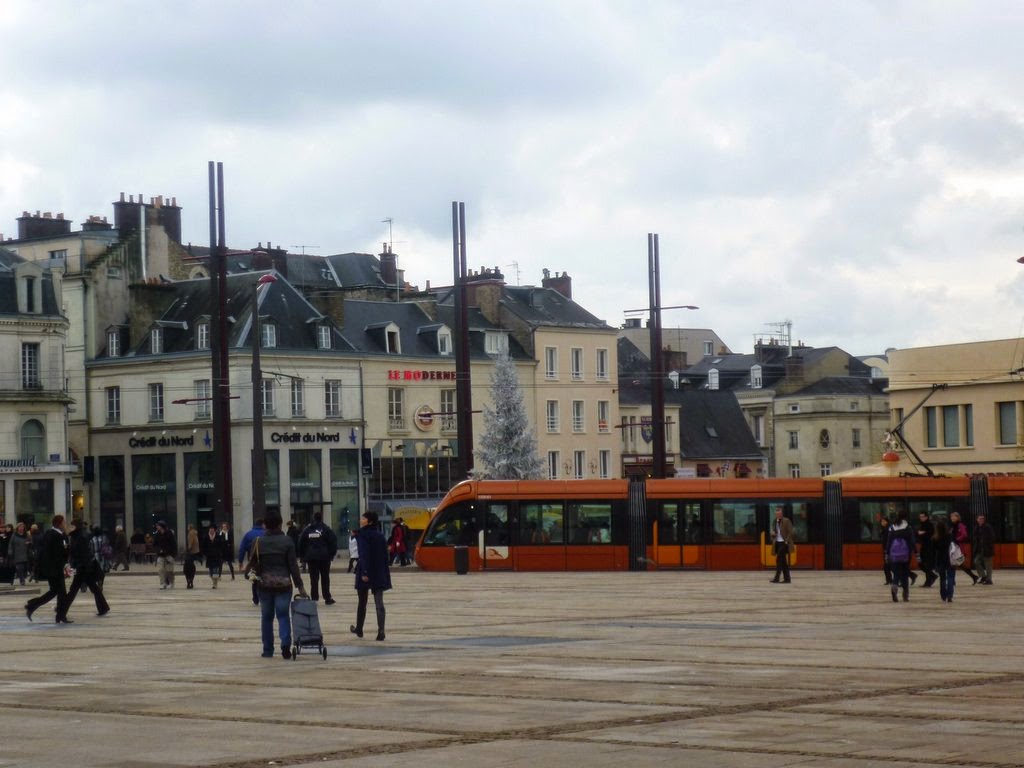
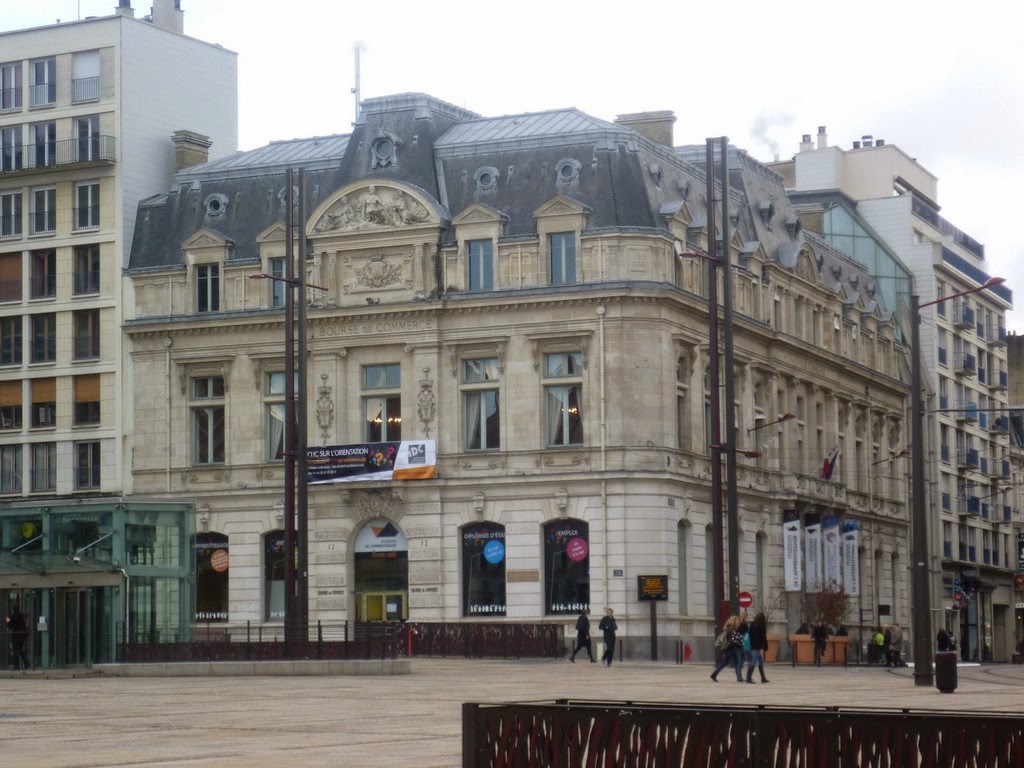
24 de Abril de 2015. Le Mans, Departamento de Sarthe, País del Loira, Francia. Posteando fotografías de un viaje anterior.

Le Mans, Departamento de Sarthe, País del Loira. Sus habitantes son les manceaux. Le Mans era el territorio de una tribu gala, los aulercos cenómanos. La conquista romana se produce el año 56 d.c. Hacia finales del siglo III Galia, como el resto del imperio romano, comienza a ser invadida por los Bárbaros. A lo largo de los siglos IV y V algunos pueblos atraviesan la región (hunos) o se instalan (francos). La barbarización trae la cristianización tras el bautismo del rey franco Clodoveo I. Del siglo V al VIII toma importancia Le Mans como sede eclesiástica de primera categoría, pues su obispado se convierte en el más importante de la región. Hasta el siglo XV la ciudad sufre períodos de guerra y paz, pero siempre bajo el control francés. Los ingleses son definitivamente expulsados en 1443. Posteriormente Le Mans sufrió las guerras de religión entre calvinistas y católicos hasta 1589. Enrique IV puso fin a un período de guerras de 30 años. Durante los siglos XVII y XVIII Le Mans sobresalió en ceras y textiles. Le Mans continuó como gran líder textil hasta el siglo XIX. En 1844 la línea de ferrocarril de París a Rennes escogió Le Mans con ciudad de paso, por lo que se instalaron nuevas industrias, se amplió el comercio, creció la población de la ciudad y Le Mans prosperó notablemente. Hacia 1840 comienzan nuevas industrias en la ciudad, y en 1873 la empresa de Amédée Bollée fabrica varios coches de vapor. En 1887 la tercera generación de esta familia crea el primer coche a combustible. En este apogeo de empresas del metal, Georges Durand funda el Automobile Club de la Sarthe que organizó un primer gran premio en 1911. En 1936 se instala la Renault en la ciudad. A partir de 1940 la fábrica produce piezas para los alemanes. En este período fue cuartel general del VII cuerpo de ejército alemán. En agosto de 1944 la ciudad fue liberada por la 79ª división de infantería USA. Tras la guerra la fábrica se expande, y hoy día sigue siendo la mayor concentración obrera de la zona. A partir de la década de 1980 Le Mans se incorpora a las líneas de Alta Velocidad francesas. Le Mans, que era una población de 19.000 habitantes en 1815, supera hoy los 200.000 habitantes. Su prueba automovilística Las 24 Horas de Le Mans es una de las carreras más importantes del mundo.


Le Mans, Sarthe department, Loire Valley. Its inhabitants are Manceaux. Le Mans was the  territory of a Gallic tribe, the Aulerci Cenomani. The Roman conquest occurs 56 year d.c. Towards the end of the third century Gaul, like the rest of the Roman Empire, began to be invaded by the Barbarians. Throughout the IV and V centuries some tribus cross the region (Huns) or are installed (Francs). The occupation by new rulers brings the Christianization after the baptism of the Frankish king Clovis I. From the V century to the VIII Le Mans gain importance as ecclesiastical seat becoming Le Mans first category, for its bishopric becomes the most important in the region. Until the fifteenth century the city suffers periods of war and peace, but always under French control. The English are finally expelled in 1443. Later Le Mans suffered religious wars between Calvinists and Catholics until 1589. Henri IV ended a period of wars of 30 years. During the seventeenth and eighteenth centuries Le Mans excelled in waxes and textiles. Le Mans continued as large textile leader until the nineteenth century. In 1844 the railway line from Paris to Rennes decides to pass by Le Mans, so new industries were installed, trade expanded, grew the population of the city and Le Mans prospered greatly. By 1840 Le Mans starts new industries in the city, and in 1873 the company of Amedee Bollee manufactures various steam cars. In 1887 the third generation of this family created the first fueled car. In this success of metal companies, Georges Durand founded the Automobile Club de la Sarthe who organized a first grand prix in 1911. In 1936 Renault is installed in the city. In 1940 the factory produced parts for the Germans. In this period it was headquarters for the VII German army. In August 1944 the city was liberated by the 79th Infantry Division USA. After the war the factory was expanded, and today it remains the highest concentration of workers in the area. From the 1980’s Le Mans joined the French High Speed ​​lines. Le Mans, which was a population of 19,000 inhabitants in 1815, now exceeds 200,000. Its automotive test The 24 Hours of Le Mans is one of the most important races in the world.


martes, 21 de abril de 2015

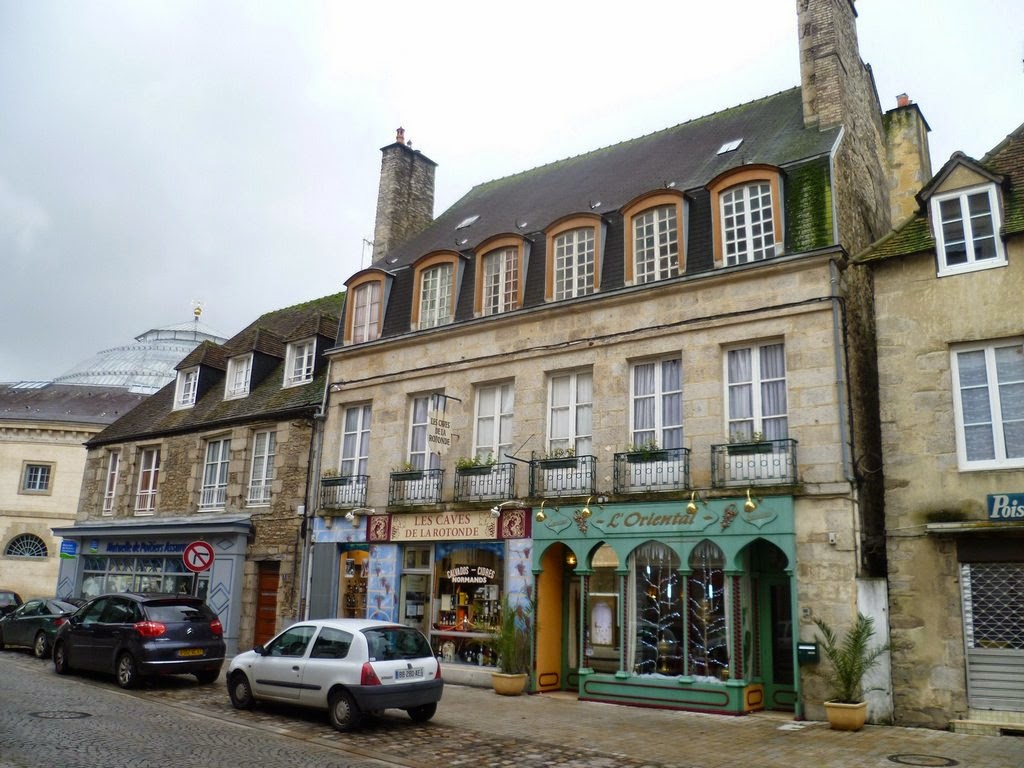
21 de Abril de 2015. Alenzón, Departamento de Orne, Región Baja Normandía, Francia. Posteando fotografías de un viaje anterior.

Alenzón, Departamento de Orne, Región Baja Normandía. Se encuentra a 180 km al oeste de París, cerca de las ciudades de Le Mans y Laval. Se estima que Alenzón nació como ciudad durante el siglo IV, cuando la zona estaba siendo cristianizada. Su nombre aparece por primera vez en un documento del siglo VII. Durante el siglo X Alenzón fue una zona de interposición entre la Normandía al norte dominada por los ingleses y los territorios de Maine al sur, dominada por los franceses. La ciudad fue invadida por los ingleses durante las guerras anglonormandas de este período (1113, 1203). Fue convertida en ducado en 1285, y se insertó en los dominios reales franceses en 1549. El 17 de Junio de 1940 los alemanes invadieron la ciudad y fue liberada por el general Leclerc en Septiembre de 1944, como primera ciudad del continente liberada por el ejército francés. Después de la guerra la ciudad creció considerablemente, estableciéndose la fábrica Moulinex y otras industrias de electrodomésticos y del plástico.


Alençon, Orne Department, Region Lower Normandy. It is located 180 km west of Paris, near the cities of Le Mans and Laval. It is estimated that Alençon was born as a city during the fourth century, while the area was being Christianized. Its name first appears in a document of the seventh century. During the tenth century Alençon was an area interposed between Normandy north dominated by the English and the territories of Maine south, dominated by the French. The city was invaded by the English during the Anglo-Norman wars of this period (1113, 1203). It was converted into duchy in 1285, and inserted into the French royal domain in 1549. On the 17th June, 1940 the Germans invaded the city and it was liberated by General Leclerc in September 1944, as the first city on the continent released by the French Army. After the war the city grew considerably, establishing the Moulinex factory and other industries.


lunes, 20 de abril de 2015

20 de Abril de2015. Cherburgo-Octeville, Departamento de La Manche, Región Baja Normandía, Francia. Posteando algunas escenas de la película Los Paraguas de Cherburgo.

Cherburgo-Octeville, Departamento de La Manche, Región Baja Normandía. Cherburgo es un importante puerto marítimo. Cherburgo es el escenario de la película Les Parapluies de Cherbourg, un bonito musical de 1964 protagonizado por Catherine Deneuve, la diosa del cine francés. La película fue ganadora de varios premios, entre otros la Palma de Oro del Festival Internacional del Cine de Cannes de 1964, y fue candidata al Oscar de 1965 y a varios Oscar más en 1966. La acción transcurre entre 1957 y 1963, en tres actos: la partida, la ausencia, el regreso. La película se ha convertido en un clásico de los años 60. La película catapultó a Deneuve a la fama mundial, y su voz fue doblada por la cantante Danielle Licari. La ciudad, situada de forma natural en la rada más grande el mundo, siempre ha tenido importancia estratégica militar, por lo que desde antiguo fue motivo de disputa entre franceses e ingleses. Por su importancia como puerto la ciudad era el objetivo prioritario del desembarco en Normandía el día D, pues los aliados necesitaban un puerto intacto para operar sus desembarcos durante los próximos meses. En la actualidad mantiene líneas regulares marítimas con el Reino Unido e Irlanda. Por su situación geográfica siempre ha tenido importancia histórica, en todas las épocas. Hoy homenajeamos a esta bonita ciudad posteando escenas de la famosa película Los Paraguas de Cherburgo.

Cherbourg, Department of La Manche, Basse-Normandie region. Cherbourg is a major seaport. Cherbourg was the setting for the film The Umbrellas of Cherbourg, 1964 nice musical starring Catherine Deneuve, the goddess of French cinema. The film was winner of several awards, including the Golden Palm International Cannes Film Festival 1964 and it was nominated for an Oscar in 196 and several more in 1966. The action takes place between 1957 and 1963 in three acts: heading, absence, return. The film has become a classic of the 60s. The film catapulted Deneuve to global fame, and her voice was dubbed by singer Danielle Licari. The city, naturally one the largest harbors of the world, has always had strategic military importance, so from old times it was the subject of dispute between French and English. Because of its importance as a port the city was the priority of the landing in Normandy on D-Day, as the allies needed to operate an intact port for successive landings in the coming months ahead. Currently the port holds regular shipping lines to the UK and Ireland. By its geographical position the city has always had historical importance, at all ages. Today we post to honor this beautiful city some famous movie scenes from The Umbrellas of Cherbourg.