Vannes, Departamento de Morbihan, Región de
Bretaña, Francia. Sus habitantes son denominados en francés les vannetais. La
ciudad se encuentra ubicada en la zona norte del golfo de Morbihan, en el
estuario del río Marle. La ciudad dispone de conexión TGV con París. La
población supera los 50.000 habitantes y el área metropolitana tiene más de 140.000.
Fundada a finales del siglo I a.c., la ciudad
galorromana se emplazaba en altura dominando la ría. La ciudad era el centro de
poder de los veneti, una tribu derrotada por Julio César el año 56 a.c. Puede
que estos veneti y los italianos sean los mismos, pero no es seguro. A finales
del siglo III se construyó un castro en una colina vecina. Durante el siglo V
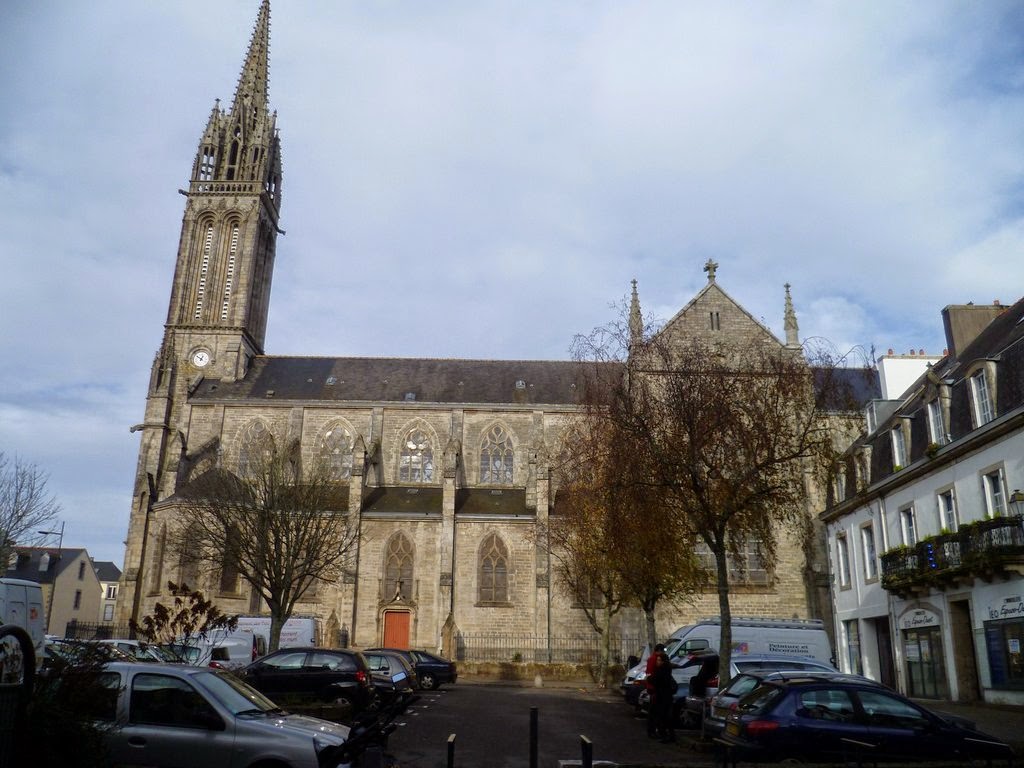
la ciudad se convierte en sede episcopal, y con posterioridad se construyó la
catedral. Durante los siglos XII y XIII se reconstruyó la catedral y se mejoraron
las murallas, y por ellos durante la Edad Media Vannes era una de las ciudades
más importantes de Bretaña. En 1419 falleció San Vicente Ferrer en la ciudad,
por encontrarse predicando en la zona. Este San Vicente Ferrer es el santo
valenciano que fue, ya en el siglo XIV, uno de los más furibundos antisemitas
de la época. Entre 1675 y 1689 el parlamento de Rennes salió de esta capital y
se ubicó en Vannes, lo cual hizo crecer notablemente su arquitectura civil. El
ferrocarril llegó en 1862. Vannes, como muchas ciudades de esta parte de
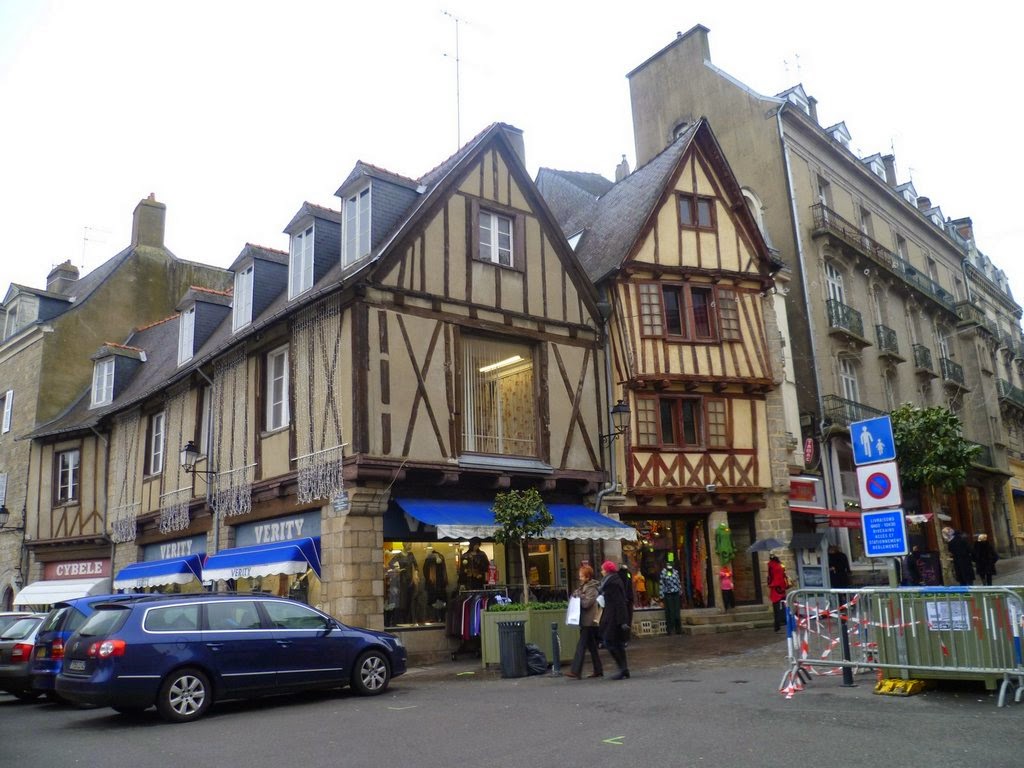
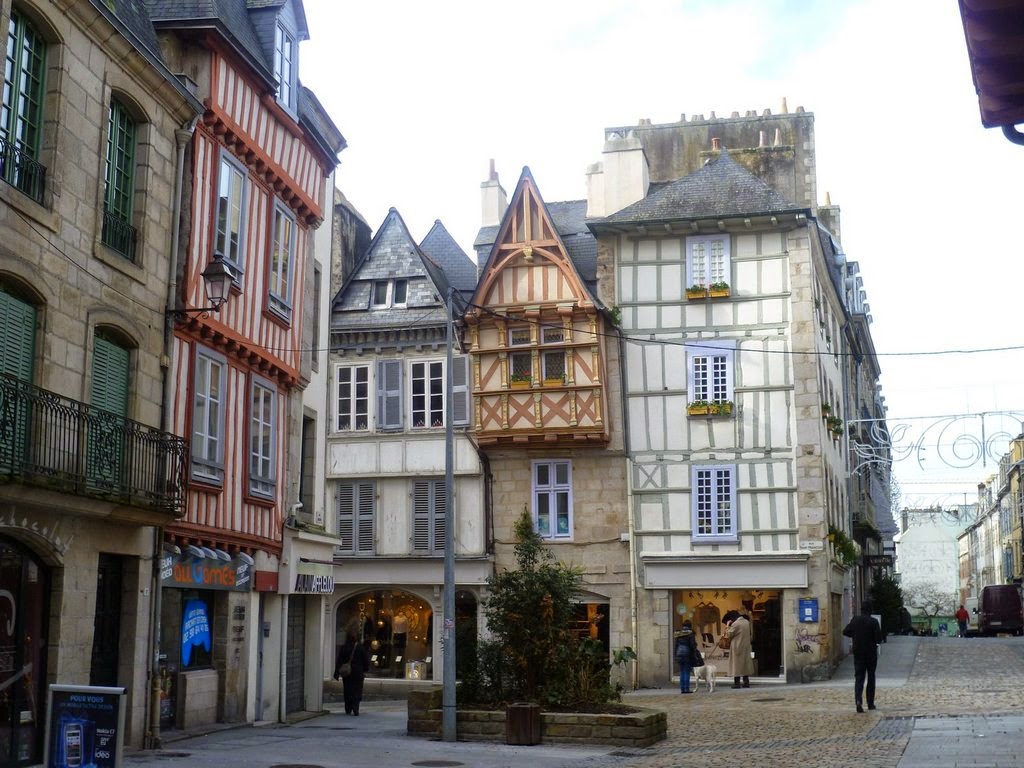
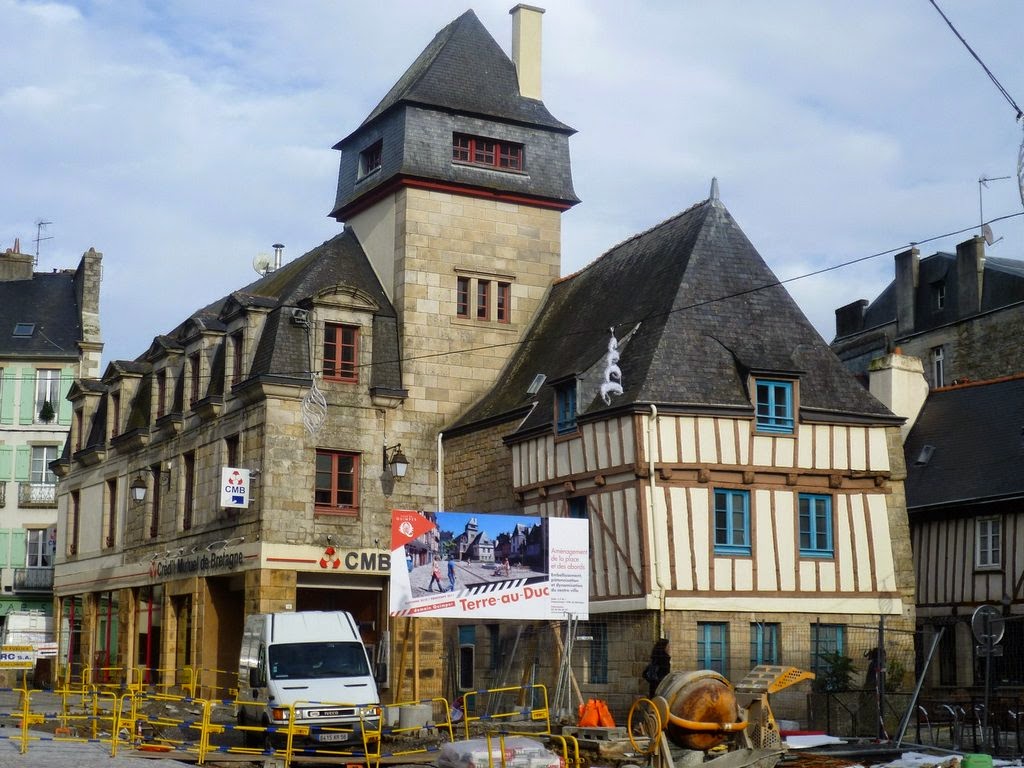
Francia, conservan mucha arquitectura medieval en casas residenciales, por lo
que esta ciudad, como otras muchas de la zona, es objeto de visitas turísticas,
dado el interés cultural.
Vannes, Morbihan Department, Region of
Brittany, France. Its inhabitants are called in French les vannetais. The city
is located in the northern part of the Gulf of Morbihan, in the estuary of the
river Marle. The city has TGV connection to Paris. The population is over
50,000 inhabitants and the metropolitan area has more than 140,000. Founded in the late first century BC, the
Gallo-Roman city was located in heights overlooking the estuary. The city was
the center of power of the Veneti, a tribe defeated by Julius Caesar in the year
56 ac. Maybe these veneti and the Italians are the same, but it is not sure. Late
in the third century a fort was built on a nearby hill. During the V century
the city becomes episcopal see, and later the cathedral was built. During the
twelfth and thirteenth centuries the cathedral was rebuilt and the walls were
improved, and with this during the Middle Ages Vannes was one of the most
important cities in Britain. In 1419 San Vicente Ferrer died in the city,
because he was preaching in the area. This San Vicente Ferrer is the Valencian
saint who was already in the fourteenth century one of the most rabid
anti-Semitist of the time. Between 1675 and 1689 the parliament of Rennes left
the capital to settle at Vannes, which grew remarkably its civil architecture.
The railroad arrived in 1862. Vannes, like many towns in this part of France,
retain much medieval architecture in residential houses, so this town, like
many in the area, is the subject of sightseeing and touristic visits given the
cultural interest.