martes, 3 de febrero de 2015

03 de Febrero de 2015. Albi, Departamento de Tarn, Región Mediodía-Pirineos, Francia. Posteando un viaje anterior.

Albí se encuentra situada en la orilla del río Tarn, de donde se obtienen las arcillas rojas para los ladrillos que se utilizan desde tiempos pasados en las construcciones de la zona. Su famosa catedral de Santa Cecilia se inició en 1282 y es una maravilla.
Albi es conocida por ser la ciudad de los Albigenses, los heréticos cátaros que se enfrentaron al catolicismo por diferencias religiosas y fueron masacrados por la Iglesia Católica, en un tiempo en que la herejía costaba la vida. Según ellos, todo lo carnal procede del mal y la adhesión a Dios exige la abstinencia. Eran tolerantes con las diferencias de credo y defendían la inexistencia del infierno. Se extendieron por el Languedoc hasta que en 1209, Simon de Montfort masacró en Béziers y Carcasona a 20.000 de ellos. a instancias de la Cruzada impulsada por el Papa Inocencio III, por Felipe II Augusto y por los cistercienses, que finalmente prevalecieron. Henri de Toulouse-Lautrec, famoso pintor post-impresionista, nació en esta ciudad en 1864. Falleció en 1901 a causa de una larga enfermedad que le afectaba a los huesos.

Albi is located on the banks of the Tarn river, where red clay for bricks is used since ancient times in the buildings in the area. The building of its famous cathedral of Santa Cecilia began in 1282 and it is a wonder.
Albi is known as the city of the Albigenses, the Cathar heretics who fought the catolicism by religious differences and were massacred by the Catholic Church at a time when hard heresy costed lives. According to them, everything from the evil is carnal and adherence to God requires abstinence. They were tolerant of differences of belief and defended the non existence of hell. They ranged from the Languedoc until 1209, Simon de Montfort in Beziers and Carcassonne massacred 20,000 of them. at the request of the Crusade led by Pope Innocent III, by Philip II Augustus and by the Cistercians, who eventually prevailed. Henri de Toulouse-Lautrec, famous post-impressionist painter, was born in this city in 1864. He died in 1901 due to a long illness that affected his bones.


domingo, 1 de febrero de 2015

01 de Febrero de 2015. Poitiers, Departamento de Vienne, Región Poitou-Charentes, Francia. Posteando un viaje anterior.

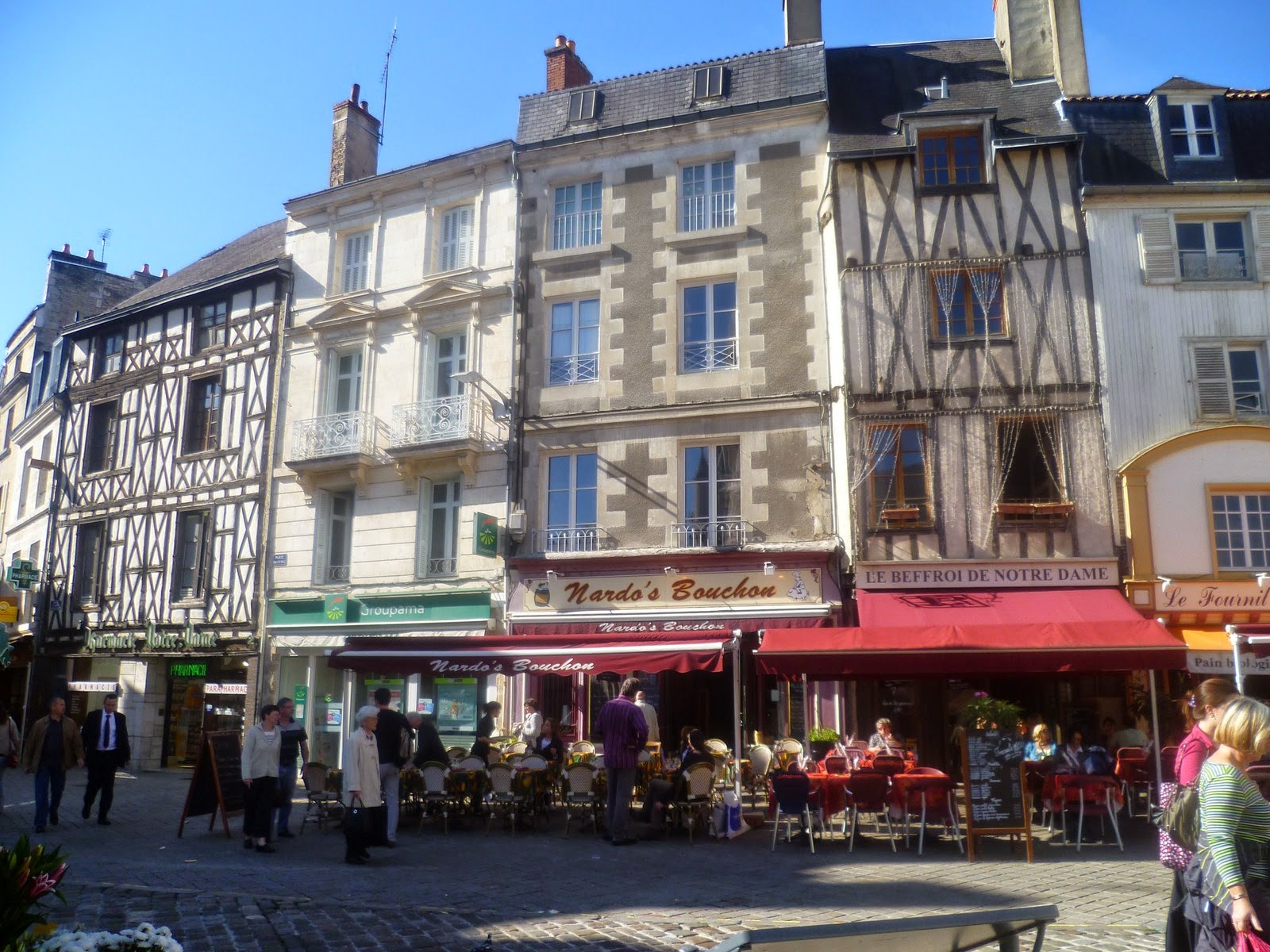
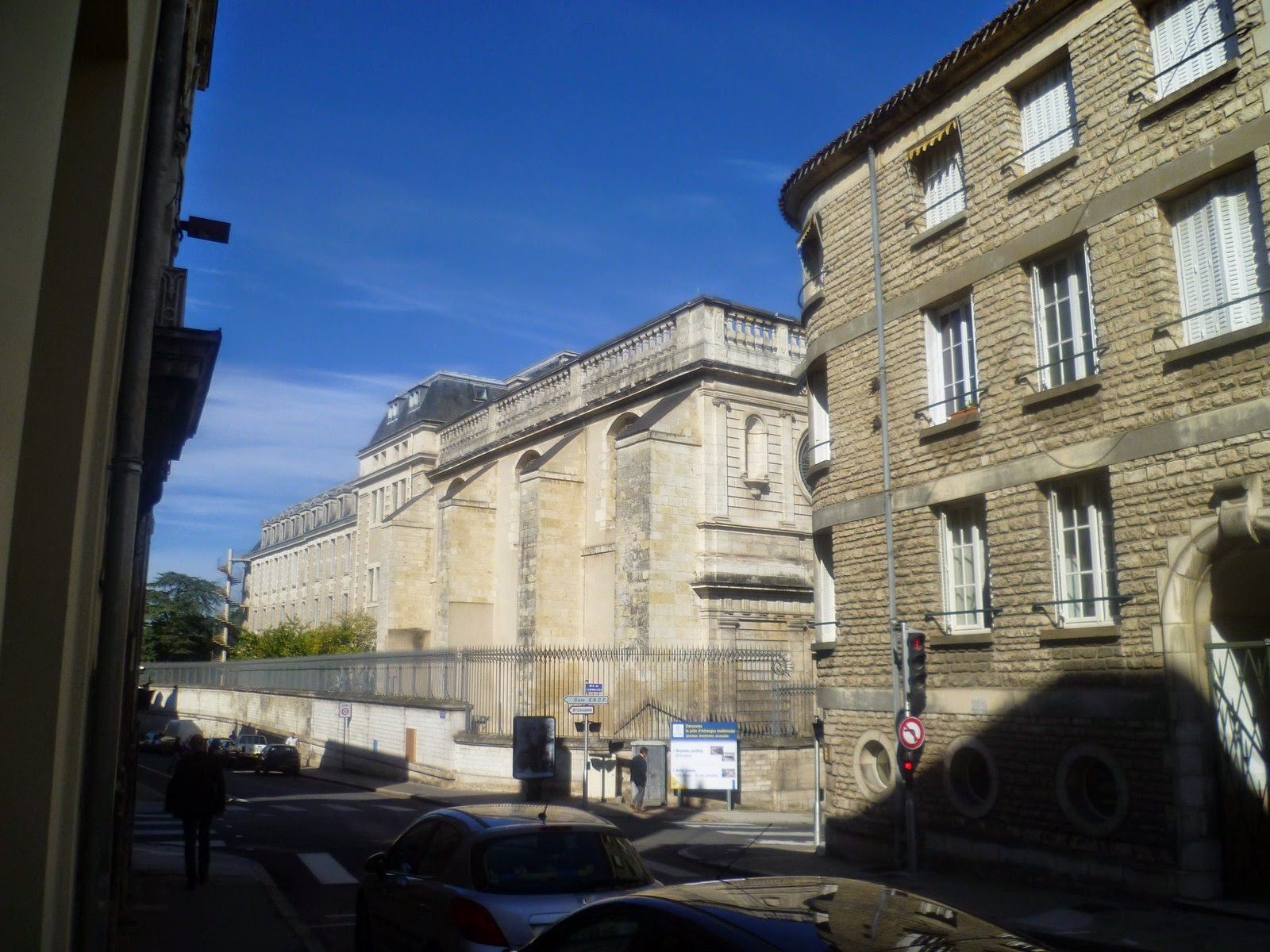
Poitiers es la prefectura del Departamento de Vienne, y capital de la Región Poitou-Charentes. Esta ciudad ha sido siempre un punto estratégico comercial y militar, sobre un punto elevado en la confluencia de dos ríos, el Clain y el Boivre. Una fortaleza natural, que tuvo su nacimiento en el siglo I antes de Cristo y que hacia el siglo III fue fortificada. Poitiers era un Oppidum o punto elevado en su fórmula de ciudad y campamento militar romano. Poitiers fue fundada por los pictones, tribu autóctona. San Hilario de Poitiers evangelizó la ciudad hacia el siglo IV. Poitiers ha sido lugar de batallas históricas, la primera entre los francos de Clodoveo I y los godos de Alarico II el año 507. En 732, Carlos Martel, mayordomo de Palacio detiene a los musulmunes en otra batalla históricamente importantísima. También durante la Guerra de los Cien años la ciudad de Poitiers es un potente bastión inglés, hasta bien entrado el siglo XV. En el siglo IX el nombre de Grand-rue aparecía en los mapas. Es el nombre de calle conocido en una ciudad más antiguo de Europa. Durante el siglo XII Leonor de Aquitania construye un muro perimetral de 6.000 metros de longitud que rodea todo el promontorio (Oppidum romano). El camino de Santiago pasaba por Potiers. En 1429 se le concede el mando de la tropa francesa a Juana de Arcos en esta ciudad. La universidad fue fundada en 1431. Durante el siglo XVIII es demolido el muro de Leonor de Aquitania. Hacia 1850 se construye la estación del tren, y se multiplican los cuarteles militares. En la Segunda Guerra Mundial la estación fue bombardeada por los Aliados, y reconstruida poco después. En la actualidad es ruta del TGV París-Burdeos.

Poitiers is the prefecture of the department of Vienne, and capital of the Poitou-Charentes region. This city has always been a commercial and military strategic point on a high point at the confluence of two rivers, the Clain and Boivre. A natural fortress, which had its birth in the first century BC and during the third century it was fortified. Oppidum of Poitiers was a high point in its formula town and Roman military camp. Poitiers was founded by Pictons, indigenous tribe. St. Hilary of Poitiers evangelized the city to the IV century. Poitiers has been a place of historical battles, the first among the Franks of Clovis I and Alaric II of the Goths circa 507. In 732, Charles Martel, Mayor of the Palace stops the muslims in another historically important battle. Also during the Hundred Years War the city of Poitiers is a powerful bastion English until well into the fifteenth century. In the ninth century the name of Grand-rue appeared on maps. It is the oldest name of a street known in an Europe's city. During the twelfth century Leonor of Aquitania builds a wall around 6000 meters in length that surrounds the promontory (Roman oppidum). The way of Santiago passed through Poitiers. In 1429 it was awarded the command of the French troops to Joan of Arcs in this city. The university was founded in 1431. During the eighteenth century is demolished the wall of Eleanor of Aquitaine. By 1850 the train station is built, and military presence multiply. In World War II the rail station was bombed by the Allies, and rebuilt shortly afterwards. Today it is a part of the net TGV Paris-Bordeaux.


jueves, 29 de enero de 2015

29 de Enero de 2015. La Rochelle, Departamento de Charente-Maritime, Región de Poitou-Charentes, Francia. Posteando un viaje anterior.

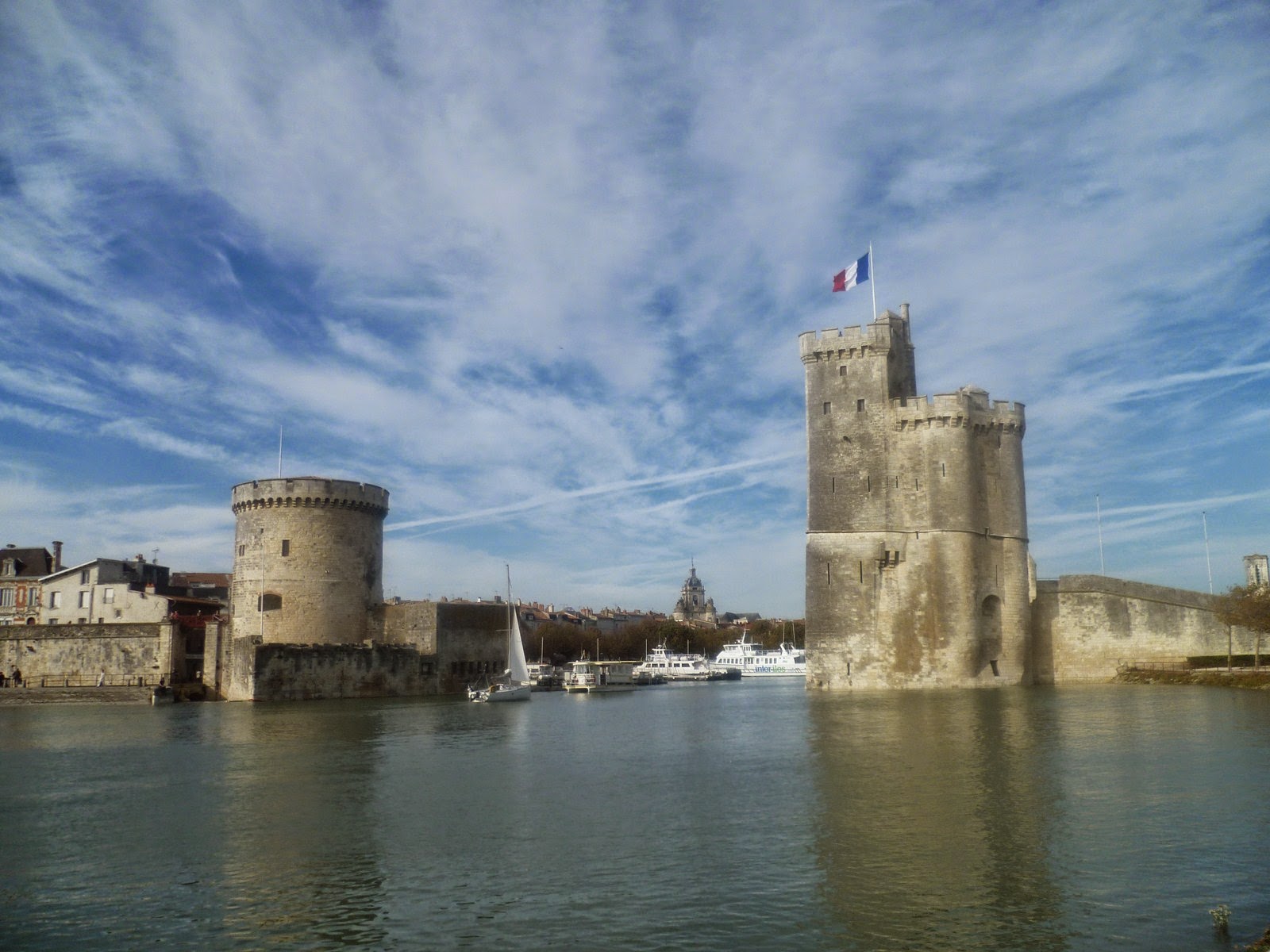
La Rochelle es una ciudad portuaria a medio camino entre la Bretaña francesa y el País Vasco francés, que lleva operando desde el siglo XI. Durante la Guerra de los Cien Años permaneció en manos inglesas hasta 1372, cuando la flota castellana, aliada de Francia, derrotó a los británicos en la Batalla de la Rochella. Durante las Guerras de Religión francesas, fue de facto la capital protestante, hasta que por la política religiosa de Estado, muchos de sus habitantes se marchan a América, fundando la Nouvelle Rochelle en 1688 en el Estado de Nueva York. Durante los siglos de tráfico de esclavos, cierra el triángulo de África-Europa-Caribe, convirtiéndose en el segundo puerto francés de mayor tráfico de esclavos. Durante la Segunda Guerra Mundial los alemanes tuvieron en La Rochelle una de sus bases más importantes de submarinos en Francia. Aún hoy día se puede ver. La Rochelle es una de esas ciudades portuarias que debido a sus defensas y baluartes, se convierten en escenarios naturales para rodaje de filmes relacionados con barcos de época.

La Rochelle is a port halfway between Brittany and the french Basque Country, which has been operating since the eleventh century. During the Hundred Years' War it remained in English hands until 1372, when the Spanish fleet, ally of France, defeated the British at the Battle of Rochella. During the French Wars of Religion, it was de facto Protestant capital, until because of the religious policy of the state, many residents leaved to America, founding the Nouvelle Rochelle in 1688 in the State of New York. During the centuries of slave trade, it closed a triangle Africa-Europe-Caribbean, becoming the second largest French port of slave trade. During World War II the Germans had in La Rochelle one of its major submarine bases in France. Even today you can see it. La Rochelle is one of those port cities due to its defenses and bastions, that become natural settings for shooting films related to vintage boats.


martes, 27 de enero de 2015

27 de Enero de 2015. Tours, prefectura del Departamento de Indre y Loira, Región Centro, Francia. Posteando un viaje anterior.

Tours es la capital (prefectura) del Departamento francés de Indre y Loira en la Región Centro y está atravesada por el río Loira. Su comarca es la Turena (Touaine) y la zona es llamada a menudo “El Jardín de Francia”. Tours está clasificada como Ciudad de Arte e Historia y es Patrimonio de la Humanidad según la UNESCO. La región es conocida por sus vinos y por la perfección del francés hablado.


Tours is the capital (prefecture) of the French department of Indre-et-Loire in the Central Region and it is bisected by the River Loire. Its region is the Touraine (Touaine) and the area is often called "The Garden of France". Tours is classified as a City of Art and History and Heritage according to UNESCO. The region is known for its wines and perfection of spoken French.